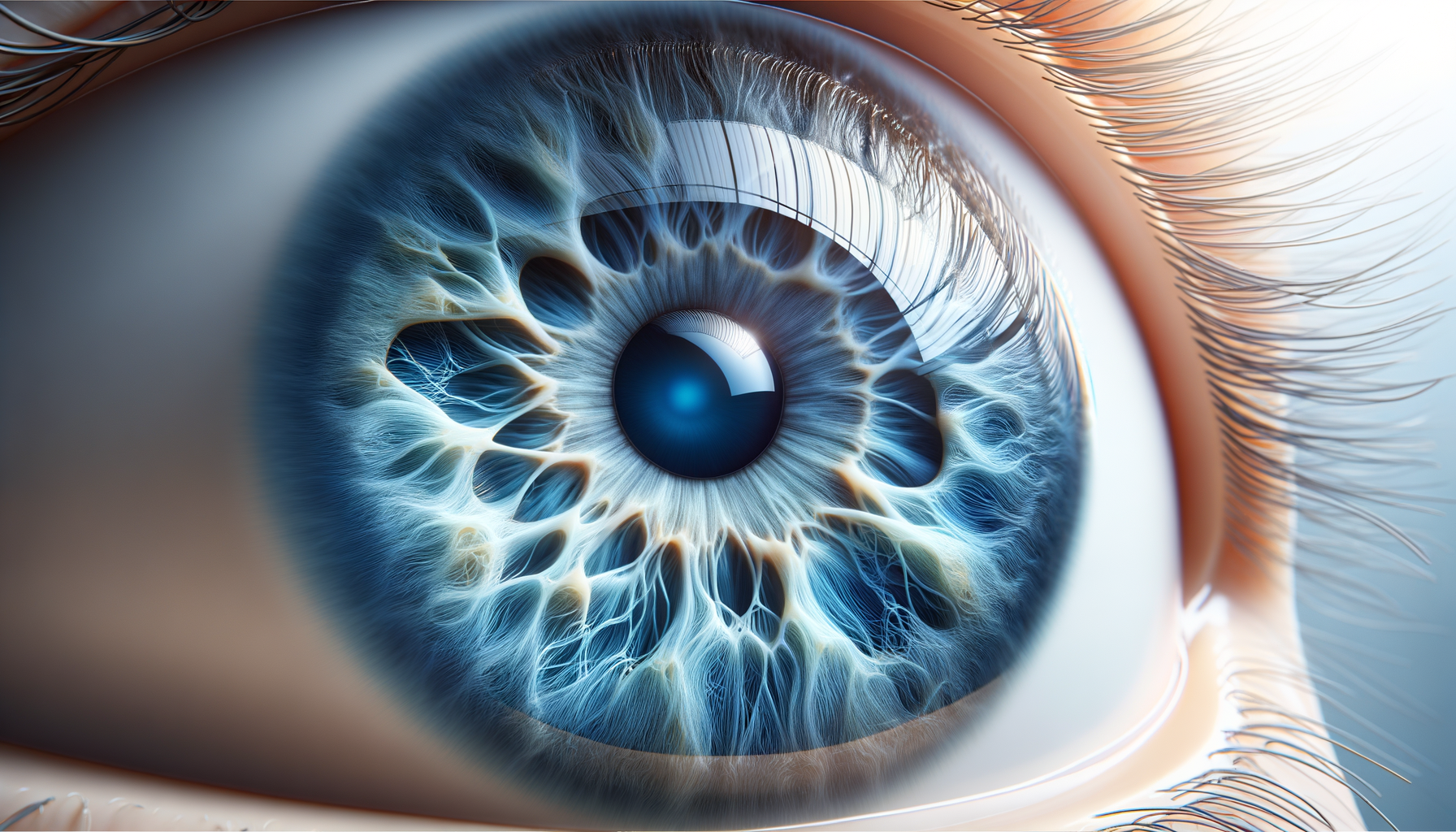
Introduction: Why Do Some Irises Have Spots and Others Don't?
If you've ever looked closely at someone's eyes, you may have noticed brown spots, white marks, or unusual patterns scattered across the iris.
Types of Iris Markings
1. Pigment Spots (Chromophores)
Brown or dark spots appearing in lighter irises, traditionally interpreted as areas of focus for toxic accumulation or metabolic sluggishness.
2. Crypts
Diamond-shaped openings in the iris structure, often seen as inherited constitutional markers.
3. Psora Spots
Small, dark, irregular markings thought to reflect inherited or constitutional tendencies.
4. Tophi (Cholesterol Rings)
White or yellow arc-like deposits near the iris edge, medically associated with lipid metabolism.
Iridology Interpretation
Traditional iridology interprets these markings as:
- Inherited constitutional patterns
- Areas requiring wellness support
- Metabolic or eliminative tendencies
- Toxic burden indicators
The Medical Perspective
From an ophthalmological standpoint, most iris markings are:
- Genetically determined
- Harmless variations
- Part of normal iris development
- Not indicative of disease (unless accompanied by other symptoms)
When to Consult an Eye Doctor
See an optometrist if you notice:
- Sudden new markings appearing
- Changes in existing spots
- Vision changes
- Eye pain or discomfort
Analyze Your Iris Markings
Curious about your iris patterns? eyescan.me can identify and map various iris markings with AI-assisted analysis.
Conclusion: Your Iris Is Unique
Every iris tells a story through its patterns, colours, and markings. Whether you interpret them through iridology or simply appreciate their uniqueness, these features make your eyes distinctly yours.