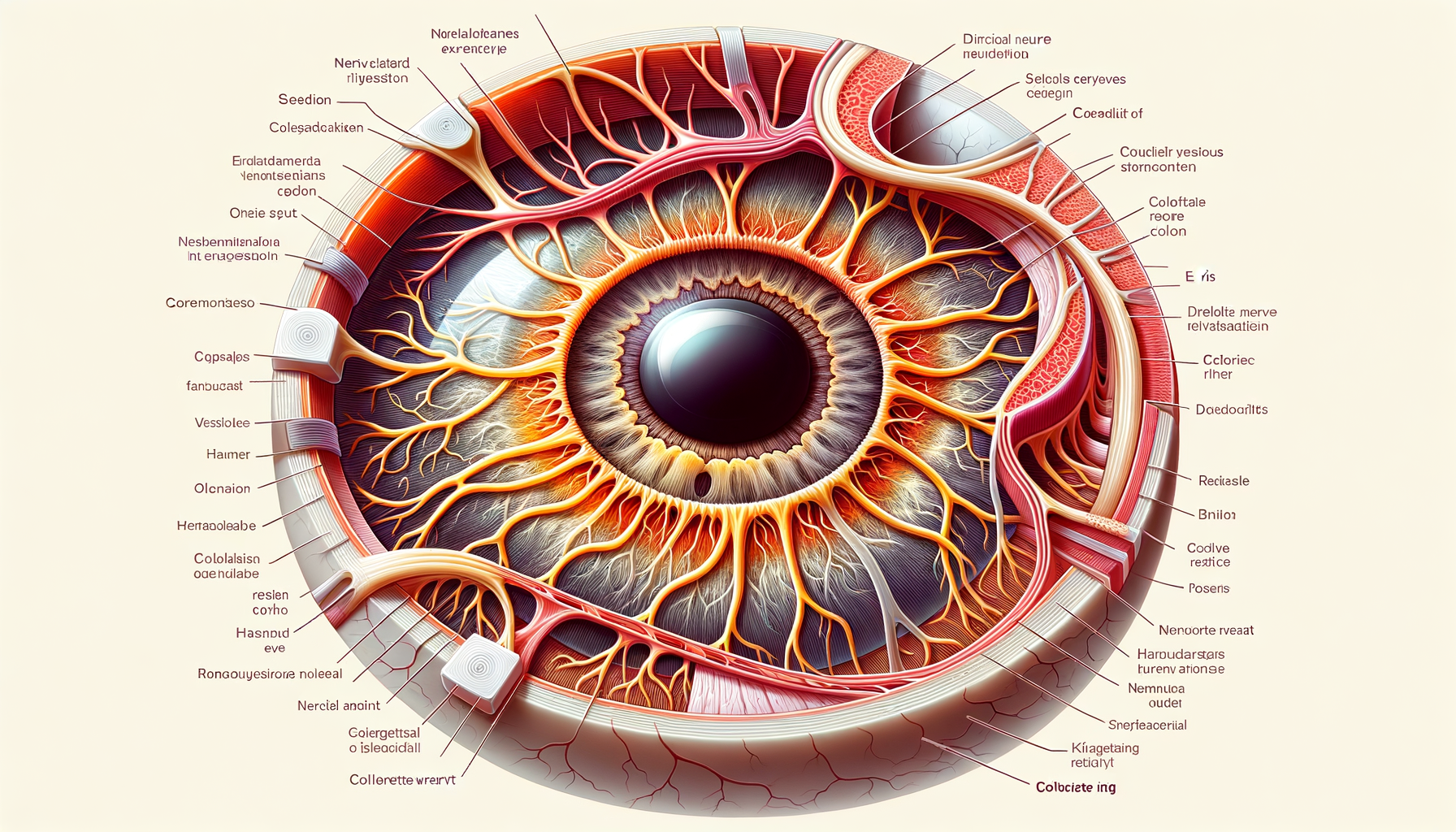
Introduction: Your Gut Written in Your Eye
In iridology, no system receives more attention than digestion. The iris contains specific zones and structures believed to reflect digestive tendencies, gut tone, and elimination patterns.
The Collarette: Gateway to Digestive Assessment
The collarette (autonomic nerve wreath) is the most important digestive marker in the iris. Its shape, position, and integrity provide insights into:
- Digestive tone and motility
- Autonomic nervous system balance
- Stress impact on digestion
- Constitutional digestive strength
Digestive Zone Mapping
The iris maps specific digestive organs:
- Stomach - Upper left (left eye), upper right (right eye)
- Intestines - Surrounding the collarette
- Liver - Right iris, 7-8 o'clock
- Pancreas - Left iris, 7 o'clock
Common Digestive Patterns
Tight, Round Collarette
Often indicates strong digestive tone and efficient processing.
Irregular or Flattened Collarette
May suggest sensitivity, slower transit, or stress-related digestive patterns.
Openings in Collarette
Traditional interpretation links these to areas requiring digestive support.
Get Your Digestive Iris Analysis
Want to see what your iris reveals about your digestive patterns? eyescan.me provides detailed collarette analysis and digestive zone assessment.
Conclusion: Listen to Your Gut—And Your Iris
While iridology doesn't diagnose digestive diseases, it can provide valuable context for understanding your constitutional digestive tendencies and supporting gut wellness.